5 Myths About Building a Modular Home
When people begin researching housing options, it’s common to run into misinformation. Many prospective buyers carry assumptions that can make them hesitate before committing. The truth is that modular homes are high-quality, customizable, and built to last — but only if you know how to separate fact from fiction. By debunking common myths about building a modular home, buyers can move forward with confidence and find the right design for their lifestyle.
Myth 1: You need to already own land
One of the most common myths about building a modular home is that buyers must already own land before starting the process. In reality, most people do not come into the market with a property ready to go. Instead, modular home builders often assist buyers in finding suitable lots.
Location, slope, orientation, and access are all important considerations when choosing land. Builders and consultants help weigh these factors alongside other priorities such as proximity to schools, workplaces, and community amenities. Rather than being a roadblock, land selection is part of the process, and experts are available to guide buyers toward the right decision.
Myth 2: Modular homes are hard to finance
Another misconception is that modular homes are difficult to finance. This myth may come from confusion with manufactured or mobile homes, which follow different rules. Modular homes, however, are built to the same codes as site-built houses and are permanently placed on foundations. Because of this, banks and lenders treat them much like traditional homes.
The process typically involves a construction-to-permanent loan. During construction, the builder draws money from the bank in stages to cover costs. Once the home is complete and inspected, the loan converts to a standard mortgage. Builders work alongside banks to make this process smooth, ensuring that buyers do not face unexpected obstacles. For qualified applicants, securing financing is straightforward.
Myth 3: Floor plans are too limited
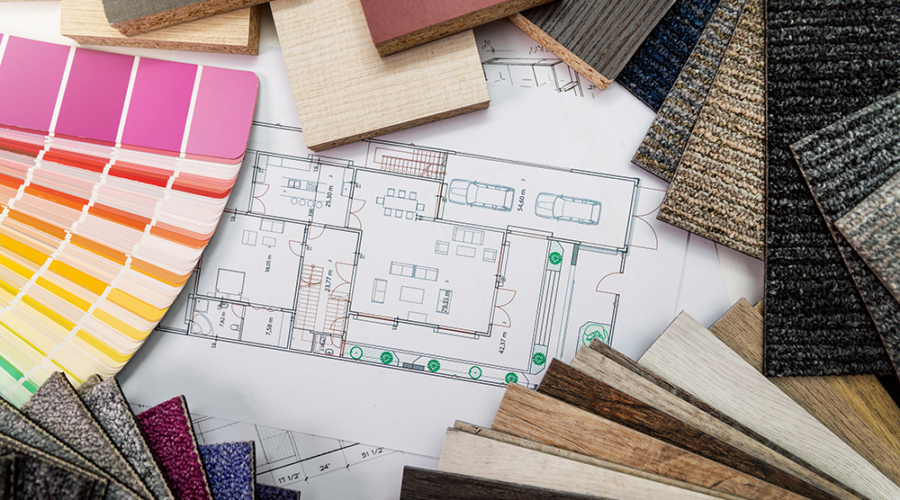
Some buyers assume that modular homes offer only cookie-cutter designs with little room for personalization. The truth is exactly the opposite. Builders provide a wide range of floor plans, from compact single-level layouts to expansive multi-bedroom designs. Even better, those floor plans are highly customizable.
Need more bedrooms for a growing family? Add them. Want an in-law suite, office, or entertainment space? Those can be included as well. Modular floor plans are designed to adapt to changing family needs, making them just as flexible — if not more so — than traditional homes.
Buyers should think about long-term lifestyle needs, such as whether children, aging parents, or frequent guests will be part of the household. With this forward-looking approach, a modular floor plan can serve a family through every stage of life.
Myth 4: Modular homes are too expensive
Many people overestimate the cost of modular construction. While prices vary depending on size, finishes, and customization, modular homes are often more affordable than traditional builds. The efficiency of factory construction reduces material waste and labor costs, and homes are built faster, minimizing expenses associated with delays.
The myth of high cost may also come from misunderstanding the word “custom.” In modular construction, customization is the norm rather than the exception. Buyers can choose layouts and finishes to suit their preferences without paying the same premium prices associated with one-off custom builds. In fact, modular homes often strike the perfect balance between affordability and individuality.
Myth 5: Modular homes are lower quality
A final misconception is that modular homes are somehow less durable or lower quality than site-built houses. In truth, modular homes must meet the same building codes as traditional homes, and they often exceed them. Constructed in climate-controlled facilities, modular homes avoid weather damage during construction. Every stage is closely monitored and inspected, ensuring precision and consistency.
Because modules must withstand the rigors of transportation, they are often built with extra reinforcement, making them even sturdier than some site-built homes. Buyers end up with homes that are not only efficient to build but also reliable and long-lasting.
Building confidence in modular homes
These myths about building a modular home often discourage families from exploring what is, in reality, one of the most flexible and cost-effective housing options available. By understanding the truth — that modular homes are customizable, affordable, and built to strict codes — buyers can move forward with clarity and confidence.
At Green Valley Homes, our consultants guide families through each step, from selecting land and designing floor plans to securing financing and customizing finishes. We believe in empowering buyers with accurate information so they can feel at ease making one of life’s biggest investments.
Modular homes are not just an alternative to traditional builds — they are a smart, modern choice that combines efficiency, customization, and long-term value. To learn more about how these homes hold up over time, take a look at Do Modular Homes Retain Their Value?, which explores their durability and resale potential.